

Corporate impact
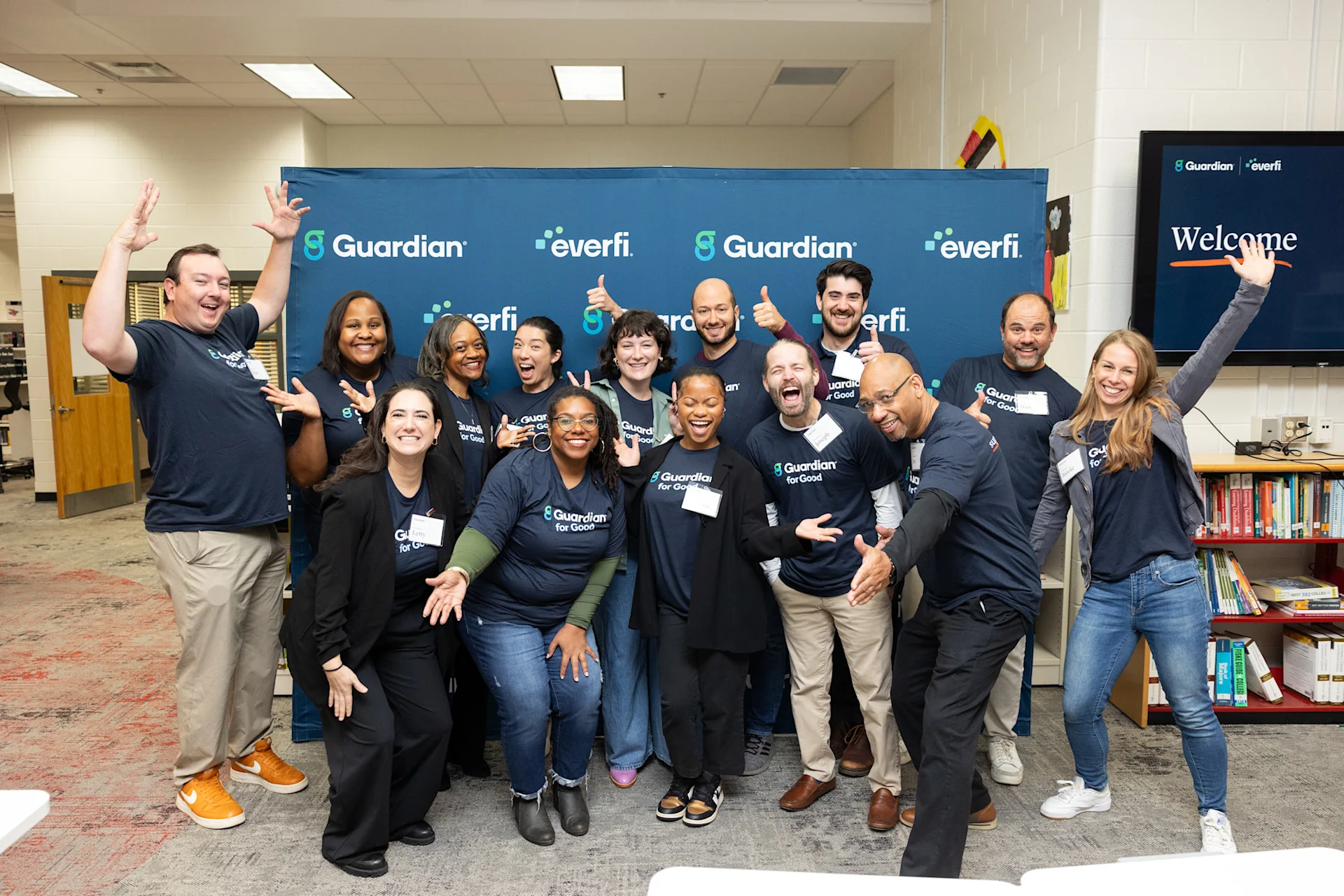
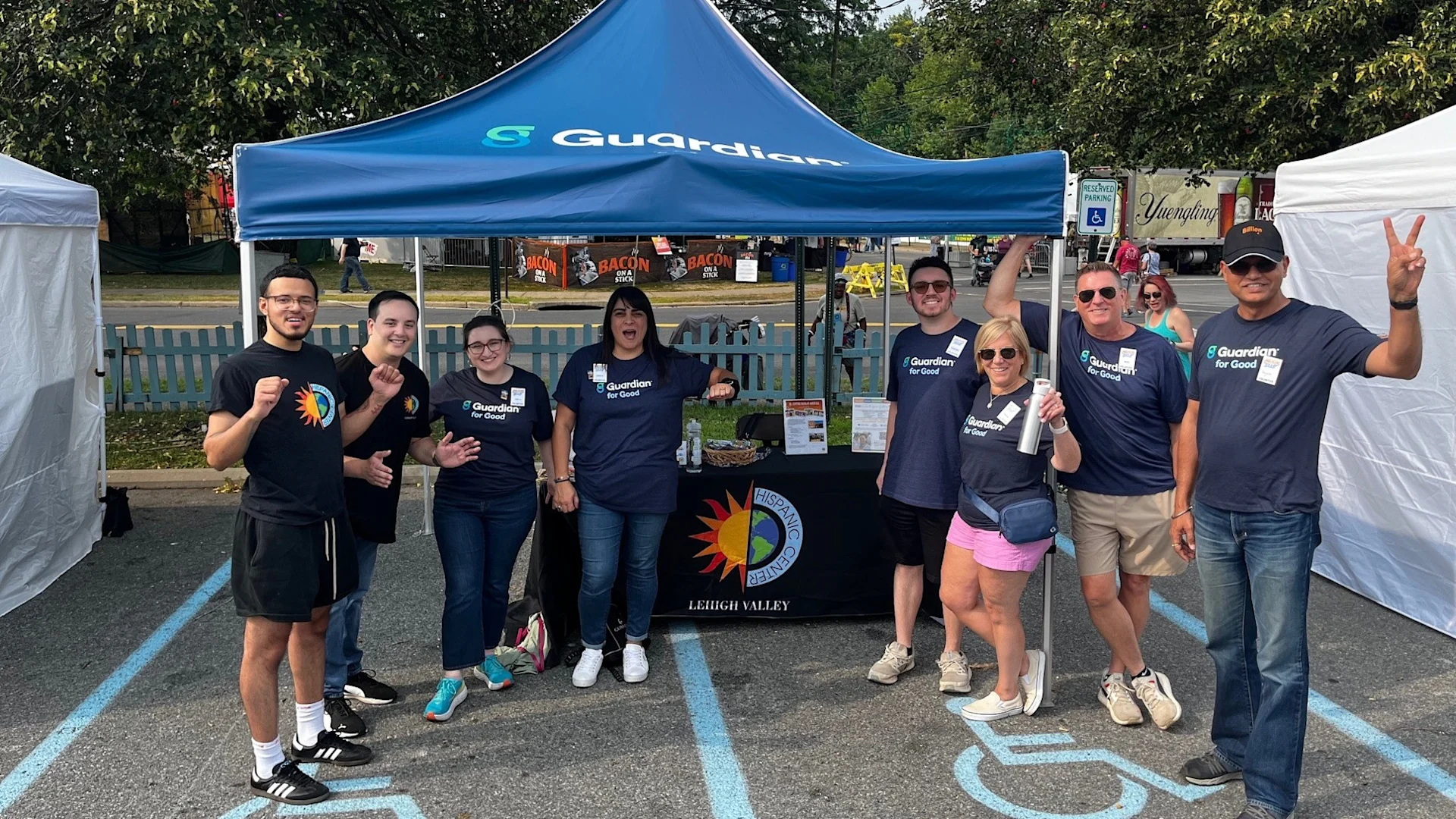
When a core part of an organization’s business is supporting its community, it creates a sense of purpose that reaches everyone. Guardian’s initiatives range from supporting adaptive athletes and healthy smiles to public spaces and sustainable facilities. And our colleagues take it to heart: We believe that making the effort to help others and create meaningful change is Guardian’s purpose in action.

The High Line
As the first-ever Lead Wellness Sponsor of New York City’s elevated public park, The High Line, Guardian helps ensure it remains a safe and vibrant green space that offers access and wellness programs for everyone, no matter their physical abilities.
In 2025, Guardian introduced wheelchairs to expand accessibility. They’re complimentary to anyone who requests one in advance. So, the ever-changing gardens — as well as community, mental health, and overall well-being — can be accessed by all.
Adaptive Student Athlete Program (ASAP)
Adaptive sports is gaining momentum across the country, and Guardian is playing point guard
Guardian sponsors the Adaptive Student Athlete Program (ASAP), a national initiative that ensures that students with physical disabilities have access to athletic opportunities and can experience the benefits of competition. Guardian’s sponsorship has grown to support intercollegiate competitions, spreading awareness of adaptive sports to universities across the country. Colleges are launchpads for lifelong well-being and economic opportunity — and adaptive sports are a powerful expression of both.
These athletes are amazing, and they deserve camaraderie, recognition, and purpose. Guardian helps them achieve that.

Guardian’s India office invests in a future with greater possibilities
Guardian’s India office supports 1,300 underprivileged students from the Ekanampet Girls School, Chennai, with renovation of laboratories, access to clean drinking water, security camera systems, and technology tools in classrooms.

We dedicate our time and support to those who need it
At Guardian, we believe in doing what’s right, and that doesn’t mean just within our four walls
We are a proud part of many communities throughout the US and India, and spending time and effort to give to others is an important element of our culture.

1,900+
US colleague volunteers
15,000+
hours donated
4,100+
nonprofit organizations benefited
5,700+
matching gift participants
What makes me proud to work at Guardian is seeing how volunteering connects us to the communities around us in a very real way. Those experiences reinforce that our culture is built on empathy, responsibility, and shared impact. That sense of connection is a powerful contributor to my well‑being.

Notable highlights:
Recycling efforts at our offices include programs for battery recycling and filtered water bottle stations to minimize plastic waste. We've recycled 35 tons of electric waste and over 2.2 tons of paper.
Over 98% of office decommissioning materials were diverted from landfills, and over 50 tons of office furniture, fixtures, and equipment were recycled or reused.
There was a 47% increase in our purchase of eco-conscious office products.
Our workplaces integrate health, wellness, and sustainability considerations into the office environment, including biophilic design elements featured in 64% of our offices and incorporated into all new spaces and major renovations.
Greenhouse gas
We created a baseline inventory in 2019, and in 2023 we began to update our GHG emission accounting platform for improved tracking.2 This work continues to evolve as we work to capture additional GHG emissions across our operations.
Year | Scope 1 | Scope 2 | Total Scope 1+2 |
|---|---|---|---|
2025 | 894 | 6,049 | 6,943 tCO2e |
2024 | 1,059 | 5,635 | 6,694 tCO2e |
2023 | 914 | 6,674 | 7,588 tCO2e |
Source: Greenly GHG calculations
View The 2025 Guardian Annual PDF
1 We continue to optimize our operations and minimize the use of resources to reduce our environmental impact. The calculation of Scope 1 and Scope 2 emissions was based on a combination of actual energy consumption data and estimations. In cases where direct consumption data was not available, estimates were made based on facility size (square footage) and the number of occupants. Emission factors applied in the calculations were specific to the location of the electricity grid, ensuring alignment with regional energy mix and carbon intensity.
2 Emissions are calculated using Green House Gas Protocol methodology, where emissions are calculated as CO2 equivalent using the 100-year Global Warming Potential (GWP100) and are location based.